

Identity & Relationship
Transformation

The Thinking Behind the Define Yourself Method
My work unfolded with a question
Why do people behave as they do, and what shapes the way they see themselves and others?
This question has followed me throughout my professional life.
My experience spans probation, youth offending, safeguarding, domestic abuse and family interventions, professional training and personal development. Working across these areas gave me a broad view of the relationship between individual behaviour, family experiences, social expectations and the environments in which people grow.
I was interested in what happens beneath the visible behaviour: the beliefs people inherit and how they inherit them, Where their expectations come from, the patterns they repeat and the parts of themselves they may never have had the opportunity to examine.
Why I created the Define Yourself Method
I wanted to bring together the knowledge and experience I had developed into a structured process that gives people the opportunity to look at their lives differently. The result is the Define Yourself Method.
It’s built around a simple, important principle: people should be able to give themselves permission to understand themselves and make informed decisions. I provide the framework, I ask guided, strategic questions and provide the tools. What is more important than this is that I give my clients the reins, the power, from the beginning.
My approach & the principles I use
1 Be curious first then judge the situation - examine the behaviours and experience without assigning labels.
2 Understand what’s happening before making decisions - make space and explore what influences how you think, feel, relate and respond.
3 Agency throughout and Insight into Applying what you learn - You are not here to be directed but to find out for yourself.
The decision is yours - what you do with what you have learned matters.
My Book
Healing from Narcissistic Abuse: Journeys from Abuse to Freedom
You don’t have to continue re-living your past in order to move forward. You can find safety after being hurt.
An intimate and intellectual discussion on the ways abuse manifests itself and the many paths we can take to find our way out of darkness. This book documents three distinct stories of muslim women healing after abuse.
Offering insights into women's Islamic rights, and deep diving into the impact of patriarchy, culture, and religion in intimate relationships, Healing from Narcissistic Abuse provides a new lens to view life from. Learn how to recognise and cope with abusive behaviours, such as narcissism and coercive control, through the tools and examples within these pages.
Whether you are muslim or not, you'll find much needed wisdom and comfort in these stories. Embark on a journey of discovery and see what doors might just unlock on your way...

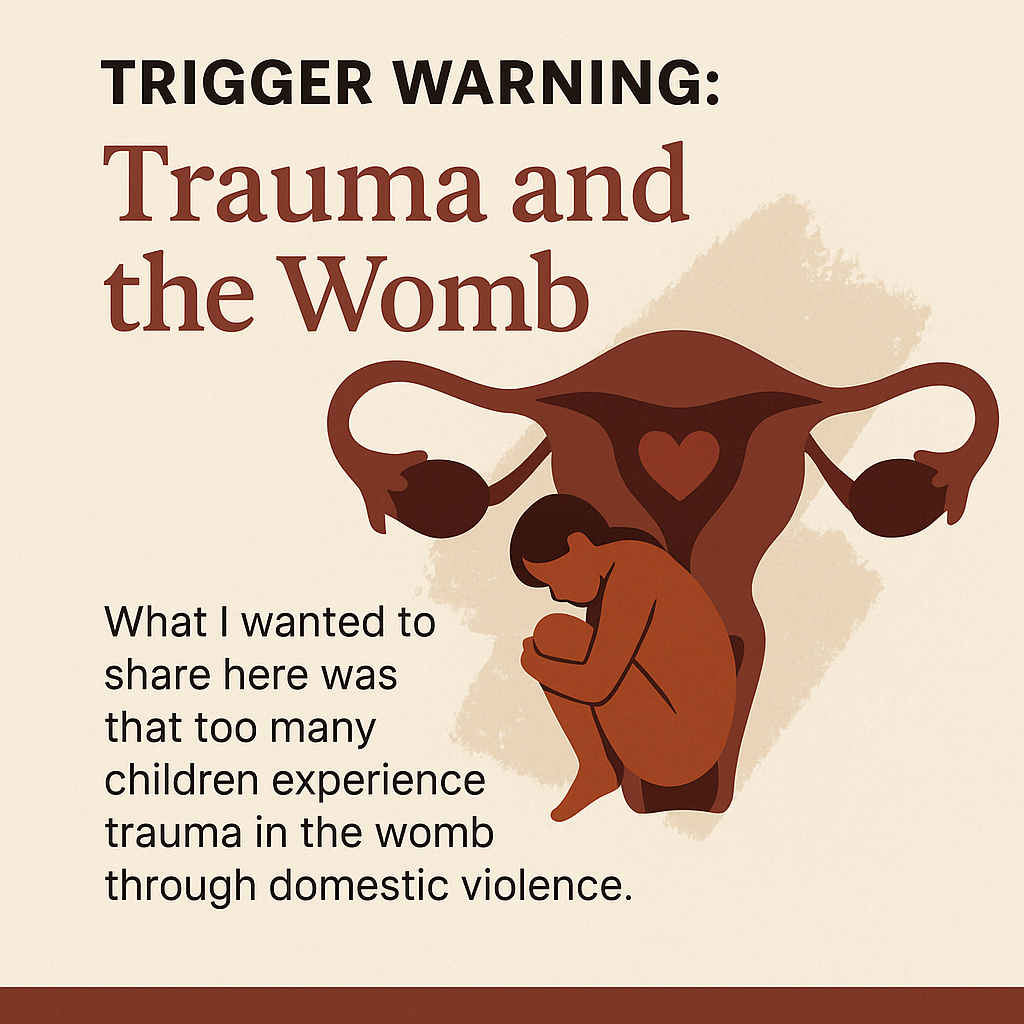
I’ll be writing about one woman’s journey of abuse through her pregnancies and how she cared for her babies and managed to get her life back on track. Coming end of 2026.
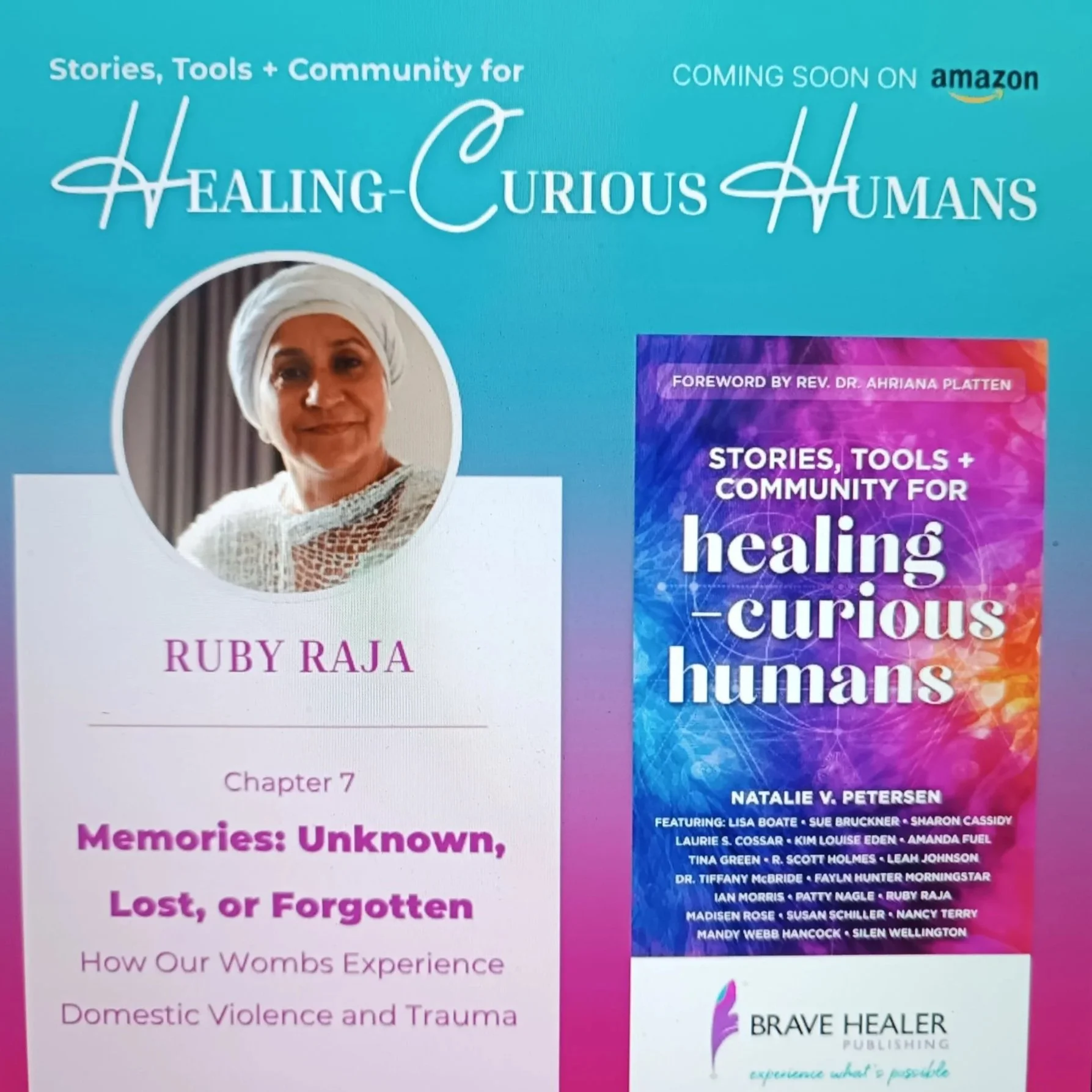
Womb Trauma
I wrote Chapter 7 - Memories: Unknown, Lost, or Forgotten in Healing Curious Humans. You can also read an article I wrote on Trauma and the Womb.